






















Fluid Contamination Testing
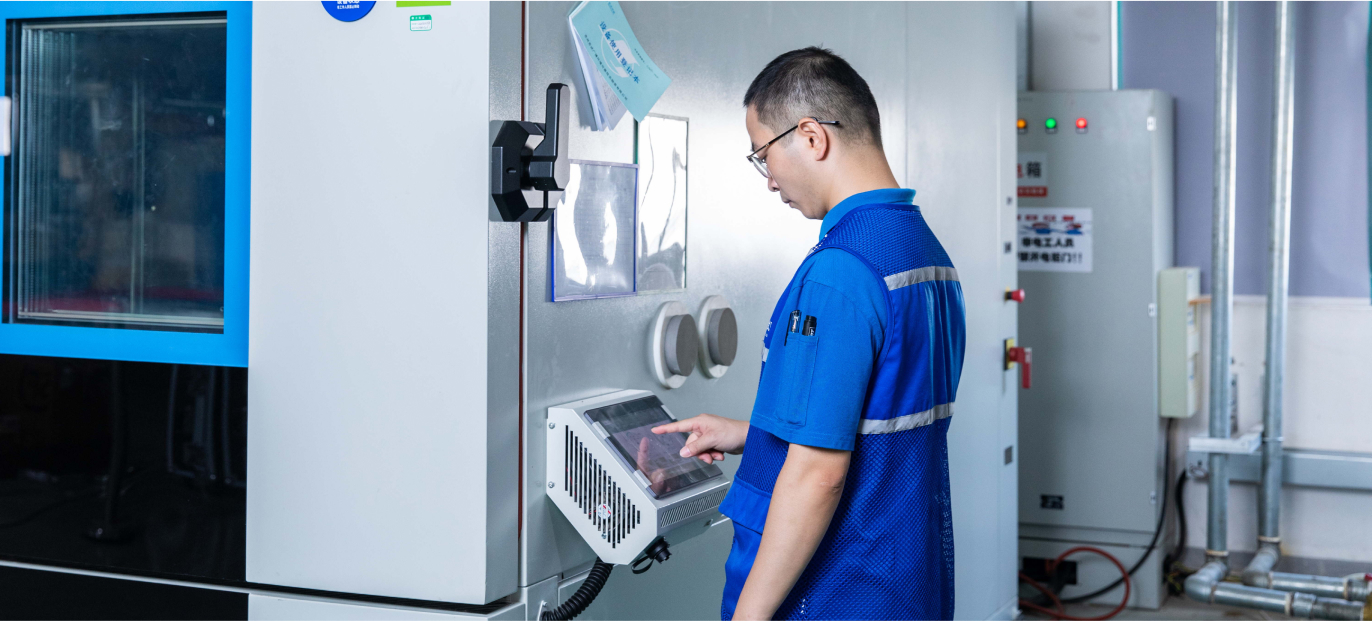
A product may be exposed to one or more contaminating fluids during its life cycle, such as fuels, lubricating oils, solvents, and cleaning agents. These fluids can alter the physical properties of the constituent materials, thereby damaging the product's functional performance. Fluid contamination testing is an effective method to evaluate a product's resistance to fluid contamination upon exposure. Fluid contamination testing simulates the fluids, exposure periods, and exposure temperatures that a product may encounter during its actual operation in a laboratory setting, thereby assessing the product's ability to withstand fluid contamination.

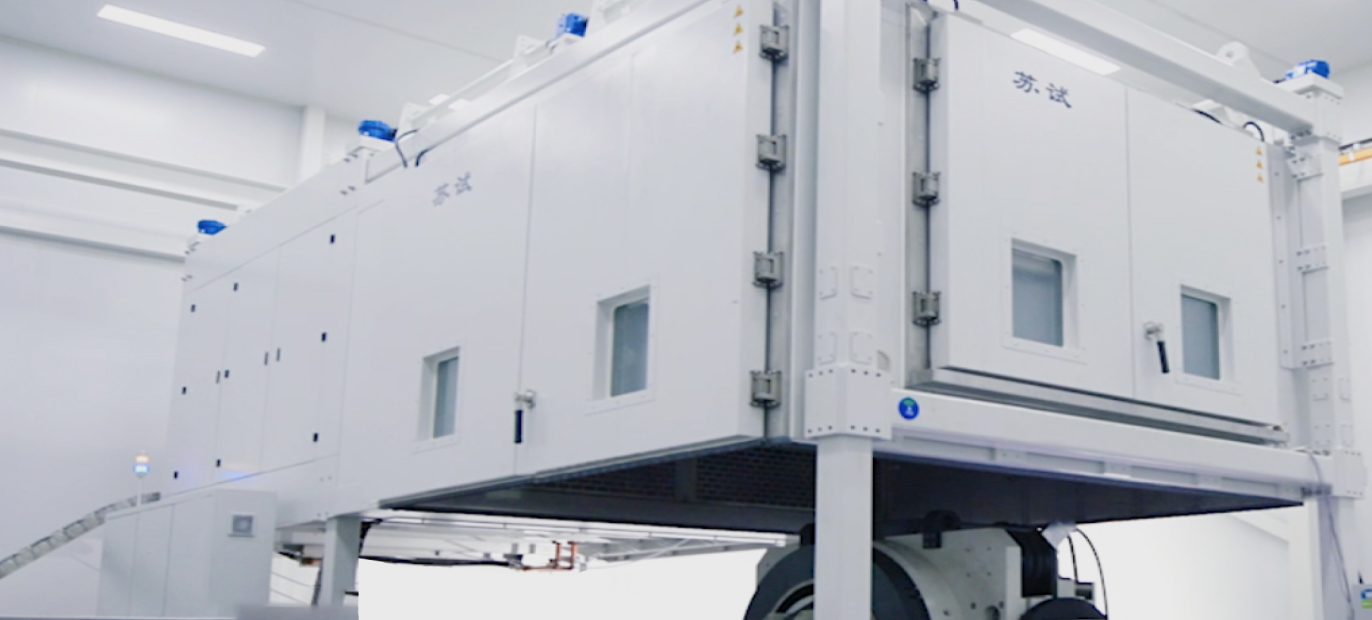
Chamber Dimensions: 1,000mm × 1,000mm × 1,000mm
Test Temperature: 23°C to 200°C
Fluid Medium Temperature: 23°C to 150°C
Chamber Heating Time: RT → 200°C ≤ 120 min (no-load)
Test Fluids: Aviation kerosene, hydraulic oil, lubricating oil, solvents and cleaning agents, runway de-icing agents, and fire extinguishing agents, etc.
RTCA DO-160G, etc.