





















Photovoltaic Modules
Type tests according to standards and performance baseline tests based on customer requirements.
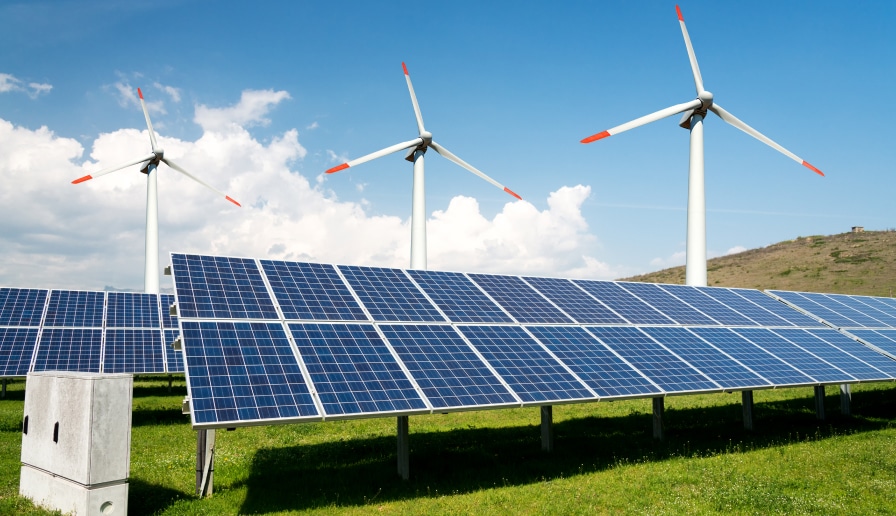
Photovoltaic (PV) modules, also known as solar panels, are the core components of PV power generation systems, responsible for converting solar energy into electricity. With the global energy transition and the rapid development of renewable energy, the PV module industry has made significant progress in technology, market scale, and application scenarios. In the future, with the popularization of high-efficiency technologies and the expansion of emerging application scenarios, the PV module industry will continue to grow rapidly, making important contributions to global energy transition and carbon neutrality goals. Testing of PV modules is a key step to ensure their performance, reliability, and safety. Through a series of rigorous tests, it can be verified whether the PV modules meet design standards, industry specifications, and practical application requirements.
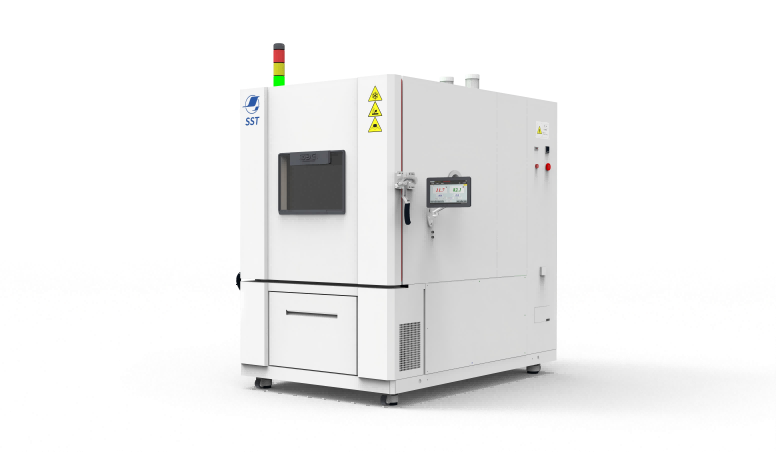
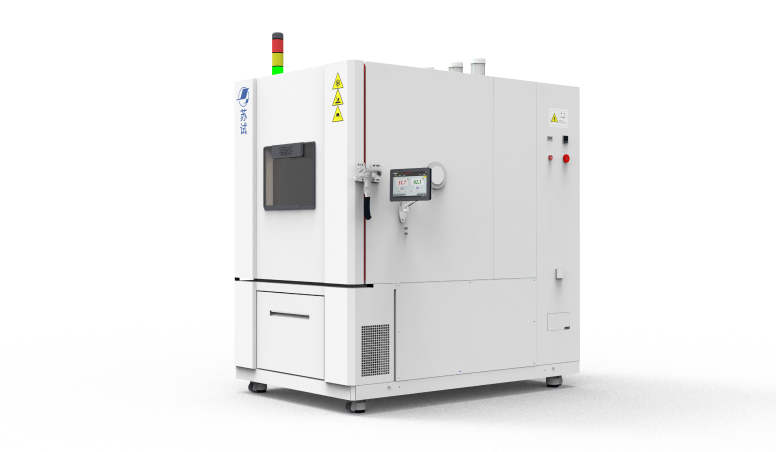
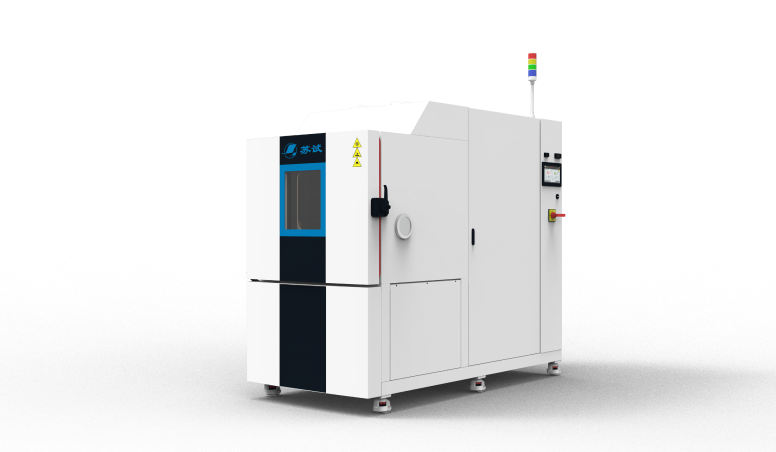
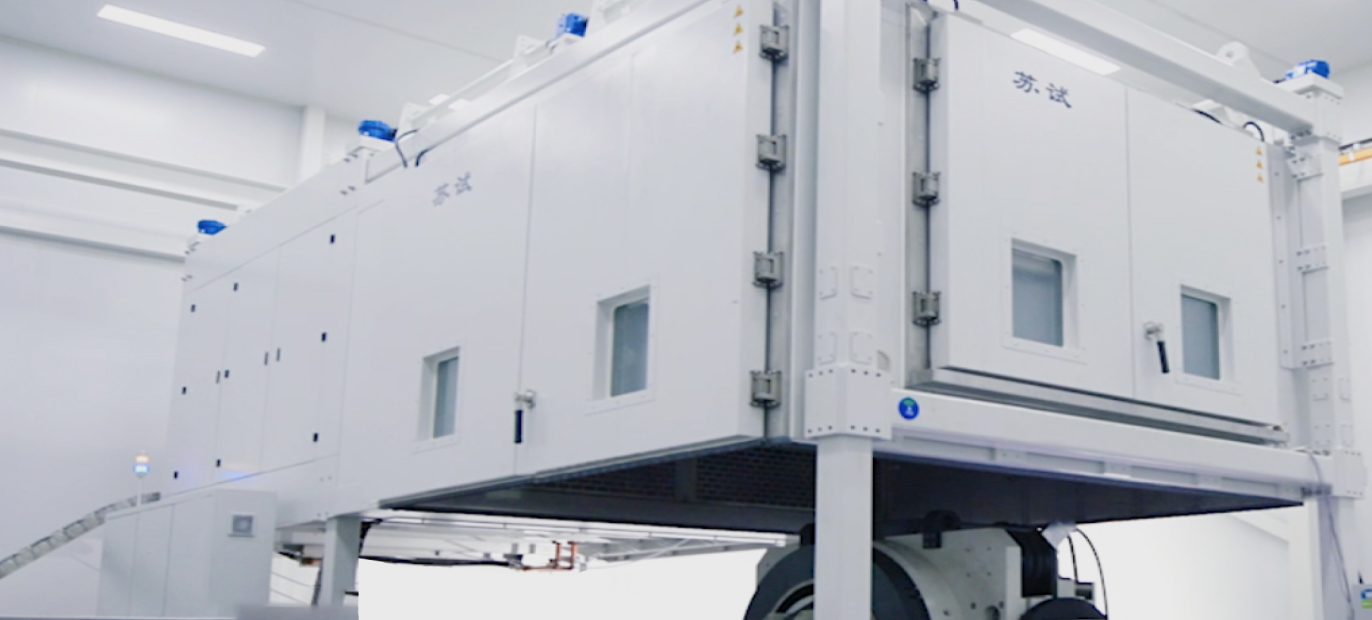
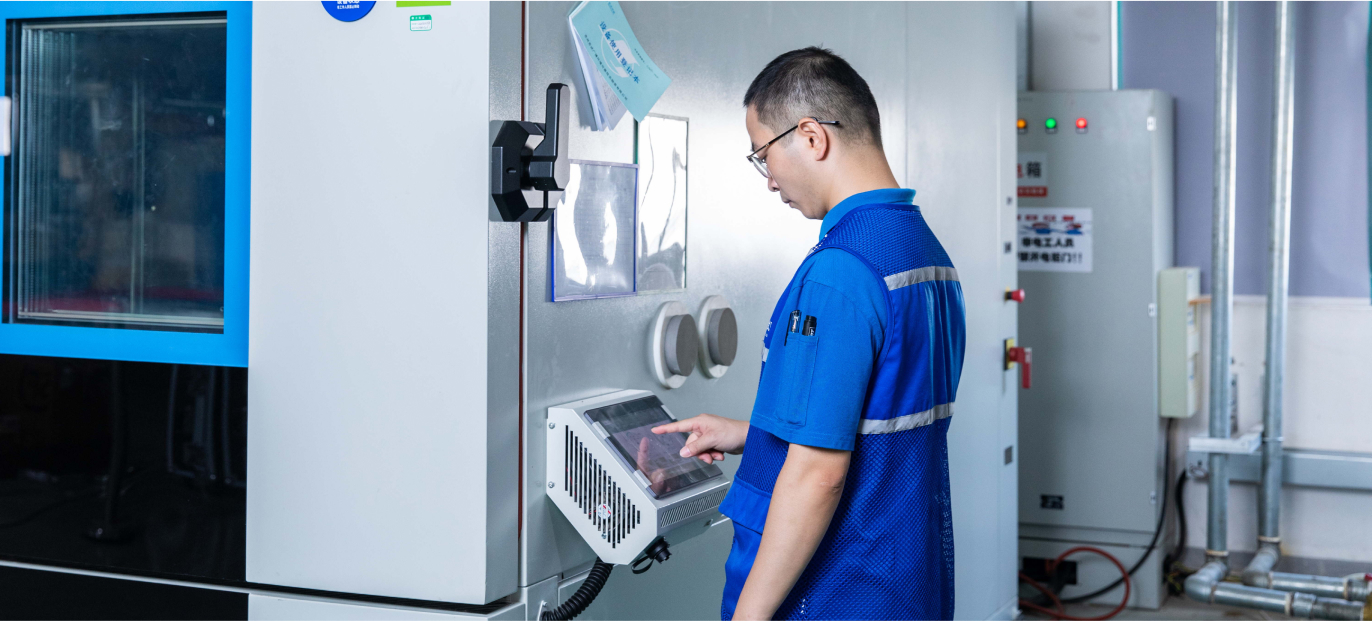
PV modules, also known as solar panels, are the core and most important part of a solar power generation system. A solar PV grid-connected power generation system converts solar energy into electricity through PV modules and sends it to the grid via a grid-connected inverter. The laboratory's PV module testing services cover environmental tests such as alternating damp heat and damp-freeze, verifying product performance to ensure it meets standard requirements.
Environmental Tests: Static mechanical load, terminal strength, hail impact, cyclic (dynamic) mechanical load, thermal cycling, damp-freeze, alternating damp heat, UV preconditioning, temperature coefficient measurement, etc.
Performance Tests: Bending test, maximum power detection, etc.
Electrical Performance Tests: Insulation, wet leakage current, bypass diode test, etc.
IEC 61215-2 Terrestrial photovoltaic (PV) modules - Design qualification and type approval - Part 2: Test procedures, etc.