




















Static Material Mechanical Performance Testing
In material R&D, manufacturing process optimization, and quality control, static mechanical performance is the core basis for measuring a material's load-bearing capacity and reliability. Whether for metals, polymers, composites, or emerging materials like ceramics, static testing accurately reveals their strength, plasticity, and deformation characteristics by simulating the material's response under slow loading. This provides key data support for product structural design, safety life assessment, and failure analysis. Our services cover all fields such as industrial manufacturing, construction engineering, and energy equipment, helping clients control material quality from the source and avoid potential risks.
Targeting different material characteristics and scenario needs, we provide tensile tests (room temperature tensile, high-temperature tensile, low-temperature tensile, core material flatwise tensile test), compression tests (compression test, core material flatwise compression test), bending tests (three-point bending, four-point bending), shear tests (in-plane shear, interlaminar shear, short-beam shear), peel tests (rolling drum peel, 45° peel, 90° peel, 180° peel), impact tests (notched impact, simply supported beam impact), bearing tests, torsion tests, high-temperature creep rupture, stress relaxation, low-temperature brittleness test, hardness test, etc.
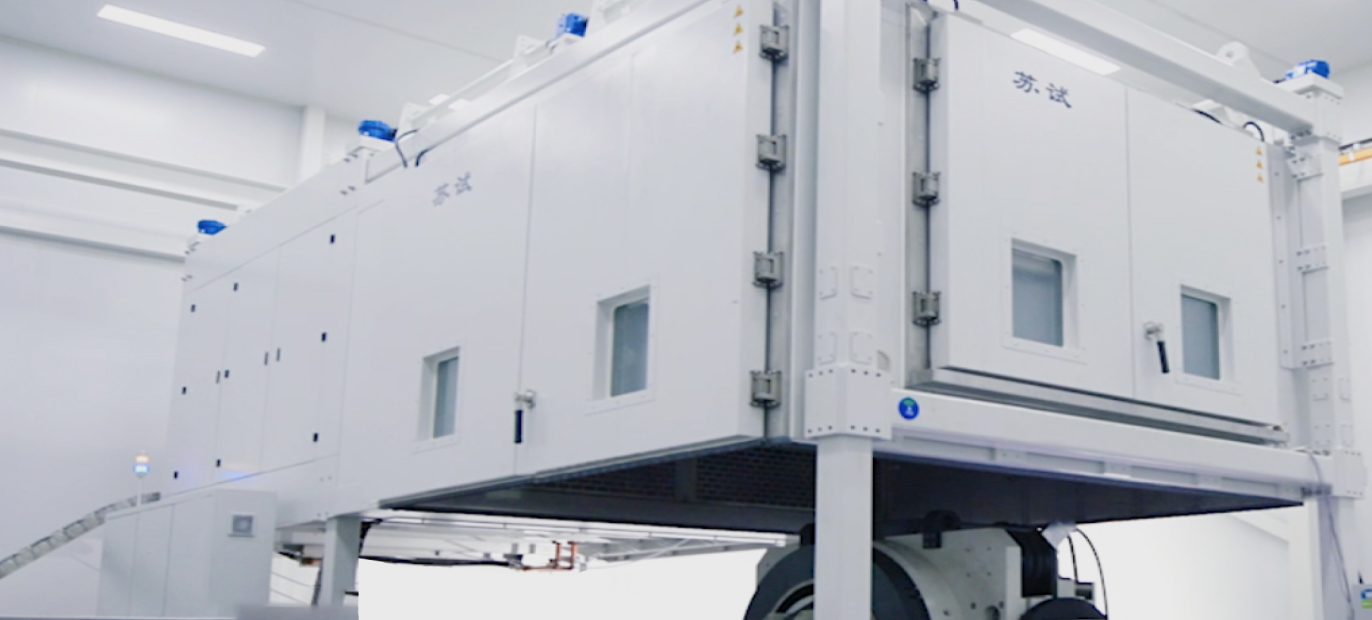
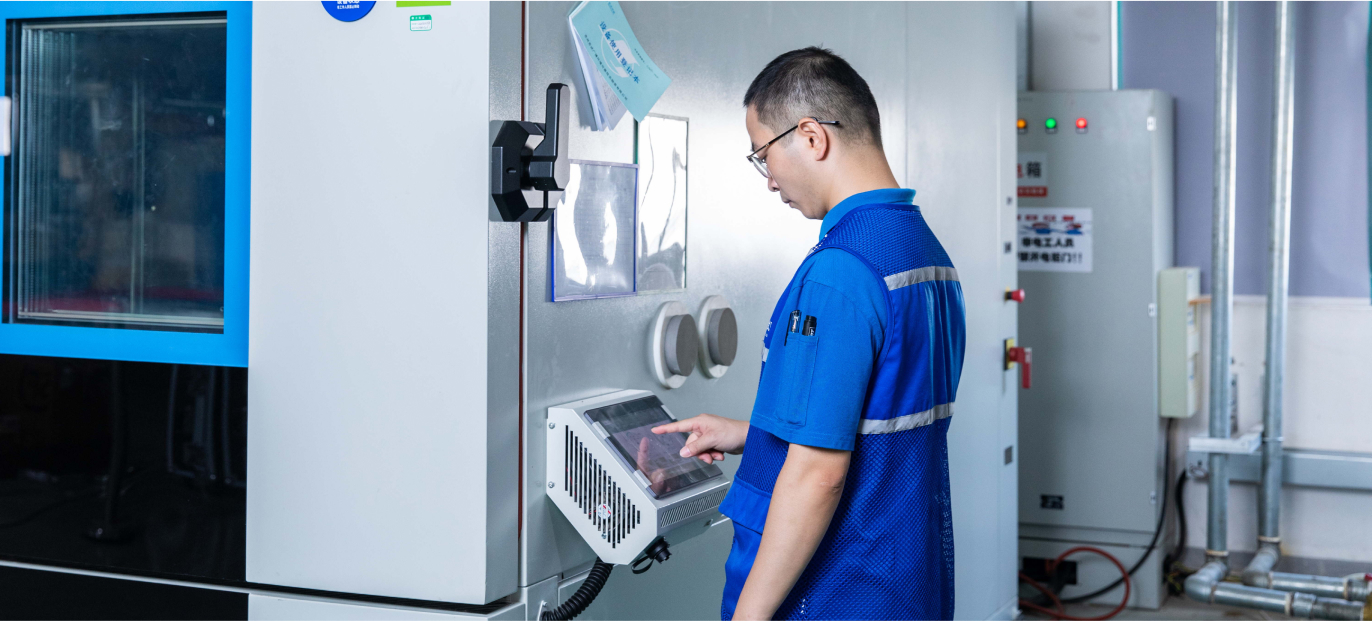
The laboratory is equipped with universal electronic testing machines, universal electronic testing machines (with high and low-temperature test chambers), microcomputer-controlled electronic torsion testing machines, microcomputer-controlled electronic impact testing machines, electronic high-temperature creep rupture testing machines, image dimension measuring instruments, digital universal tool microscopes, metallographic microscopes, scanning electron microscopes, etc. We can provide testing capabilities for tensile, compression, bending, shear, peel, fracture, tear, modulus, Poisson's ratio, etc., for metal and non-metal materials. The high-temperature creep testing machine can provide testing capabilities for creep performance, stress relaxation performance, etc., of various metals and alloy materials in high-temperature environments. We are also equipped with large deformation extensometers, video extensometers, and other measuring equipment to meet the strain collection needs of different materials and sizes.
1) Universal Electronic Testing Machine Equipment Parameters
Max. test force: 0.5T, 1T, 10T, 20TN, 100TN, 200T, 300T, etc.
Temperature measurement range: Room temperature to 1,200°C.
2) Automatic Digital Full Rockwell Hardness Tester
3) Touch Screen Vickers Hardness Tester
4) Automatic Turret Digital Brinell Hardness Tester
5) Microcomputer-controlled Electronic Torsion Testing Machine
Range: 10, 20, 50, 100 N.m
Accuracy: Class 1
6) Pendulum Impact Testing Machine
Impact energy: 300J
7) Metallographic Microscope Equipment Parameters
Magnification: 50, 100, 200, 400, 500
8) High-Temperature Creep Rupture Test Equipment Parameters
Load: 50, 100kN
Accuracy class: 0.5
Temperature range: 300-1,100°
9) High-Temperature Creep Testing Machine Equipment Parameters
Max. test force: 100kN
Temperature measurement range: 300°C to 1,200°C
ISO 6892-1, ISO 6892-2, ISO 6892-3, ASTM E8/E8M, ISO 7438, ASTM C297/C297M, ASTM C365/C365M, ASTM C273/C273M, ASTM D790, ASTM D7264, ASTM E139, ISO 204, etc.