


















EMC (Electromagnetic Compatibility) Testing
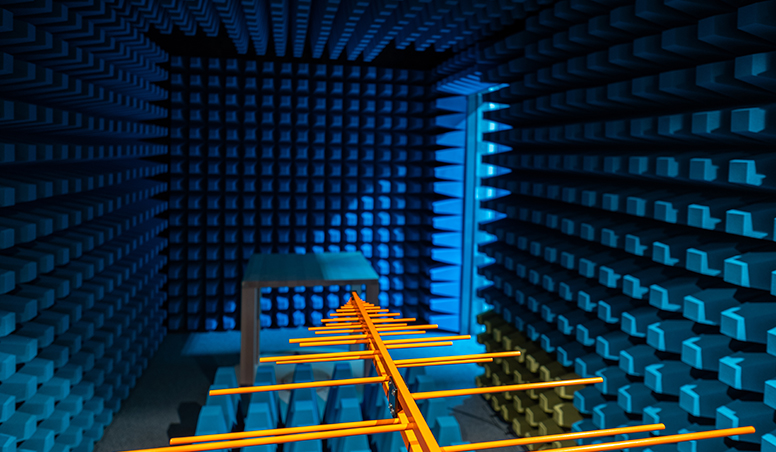
(1) Complex Electromagnetic Environment Driving Demand
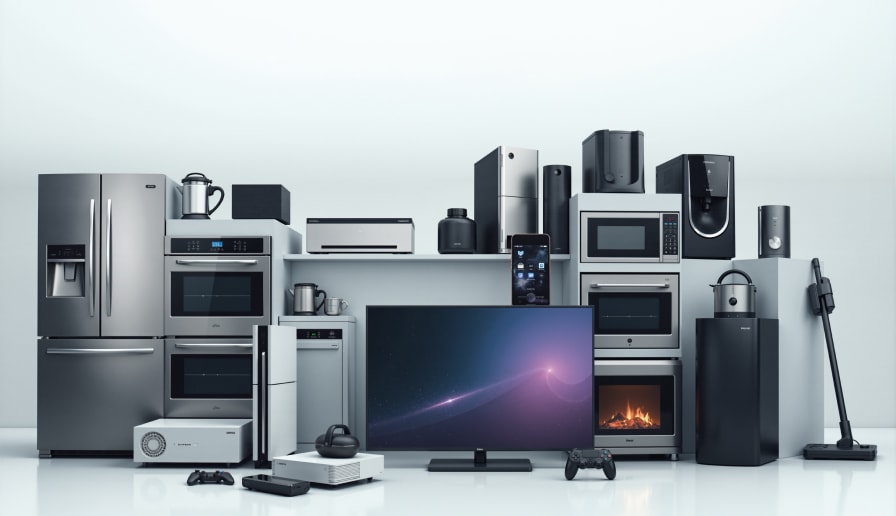
With the rapid development and widespread popularization of modern electronic and electrical equipment, the electromagnetic environment in which people live and work has become increasingly complex. In daily life, smart home appliances, office computers, printers, and other devices operate simultaneously; in industrial scenarios, numerous motors, controllers, and sensors in automated production lines work in coordination. Electromagnetic signals emitted by different devices interfere with each other, easily causing performance degradation, misoperation, or even failure of equipment. For example, if electronic medical devices in hospitals are disturbed by electromagnetic interference from nearby communication base stations or other electrical equipment, diagnostic data may deviate, endangering patients' health. When passengers use electronic devices in violation of regulations on airplanes, the electromagnetic radiation emitted can interfere with the aircraft's communication and navigation systems, affecting flight safety. Therefore, ensuring that electronic and electrical devices do not interfere with each other and coexist harmoniously has generated a strong demand for EMC (Electromagnetic Compatibility) services.
(2) Mandatory Regulatory and Policy Requirements
To maintain public safety, ensure smooth communication, and promote the healthy development of industries, governments and international organizations have introduced strict regulations and policies. In the EU's CE certification directives, EMC requirements are a prerequisite for products to enter the EU market. The U.S. Federal Communications Commission (FCC) has formulated detailed standards for electromagnetic emission and immunity for electronic products. These regulations urge enterprises to actively seek professional EMC services to ensure product compliance for market launch and avoid huge penalties and recall losses.
(1) Mobile Terminal Devices
Including smartphones, tablets, smartwatches, CPE, MIFI, routers, etc.
(2) Consumer Electronics
Including Bluetooth speakers, laptops, smart bracelets, wireless doorbells, etc.
(3) Wireless Communication Modules
Including Wi-Fi modules, Bluetooth modules, ZigBee modules, NB-IoT modules, etc.
(4) Internet of Things (IoT) Devices
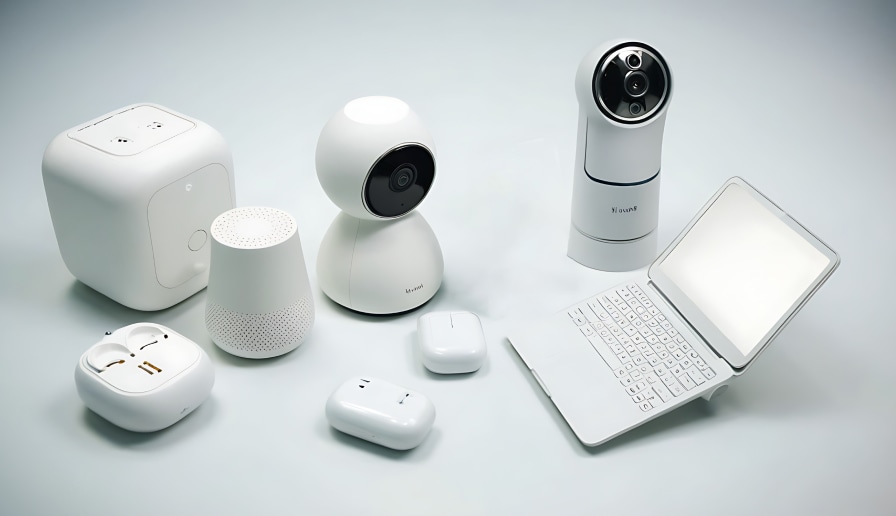
Such as smart home appliances, industrial sensors, environmental monitoring equipment, smart logistics tags, etc.
(5) Radio and Television Equipment
Including digital TV receivers, set-top boxes, wireless broadcast transmitters, etc.
(6) Automotive Electronic Systems
Including in-vehicle navigation systems, in-vehicle entertainment systems, vehicle networking modules, tire pressure monitoring systems, car remote keys, etc.
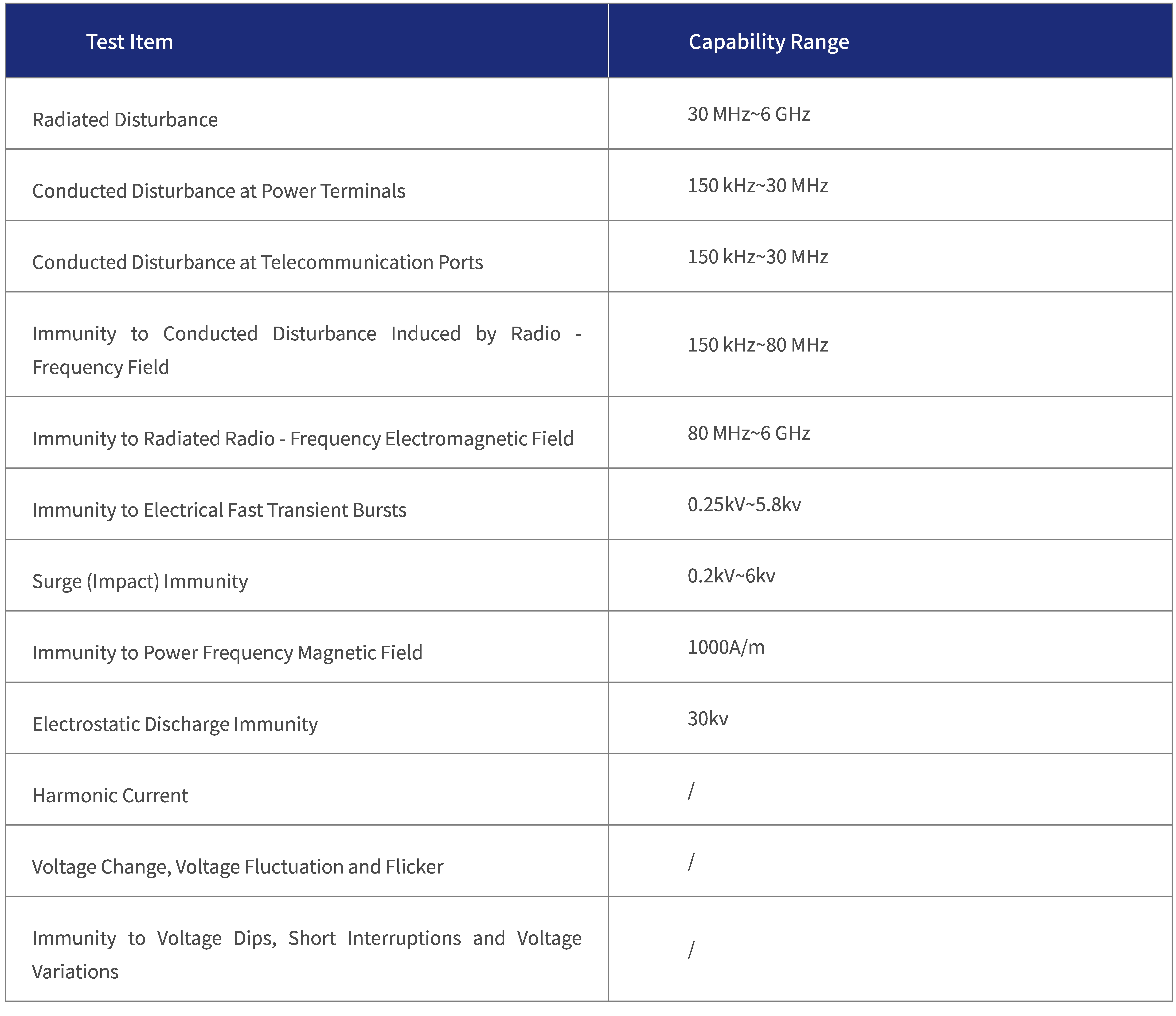
ETSI EN 301 489-1; ETSI EN 301 489-3; ETSI EN 301 489-17;
ETSI EN 301 489-19; ETSI EN 301 489-52; ETSI EN 301 489-33;
CISPR 35; EN 55035; BS EN 55035;
AS/NZS CISPR 32;
EN IEC 61000-6-1;
BS EN IEC 61000-6-1 (Excluding -20, 21, 22, 34); EN60601-1-2, IEC 60601-1-2; BS EN 60601-1-2
IEC 61000-6-1; AS/NZS 61000.6.1(Excluding -20, 21, 22, 34);
EN IEC 61000-6-2;
BS EN IEC 61000-6-2 (Excluding -20, 21, 22, 34);
IEC 61000-6-2; AS/NZS 61000.6.2 (Excluding -20, 21, 22, 34);
EN IEC 61000-6-4; BS EN IEC 61000-6-4;
IEC 61000-6-4; AS 61000.6.4;
EN 50130-4
CFR 47, FCC Part 15 Subpart B (using ANSI C63.4);
ICES-003;
EN 55032; BS EN 55032;
CISPR 32;
FCC Part 18 (using MP-5:1986);
ICES-001;
VCCI-CISPR 32:2016;
CISPR 11; AS CISPR 11;
EN 55011;
BS EN 55011
ICES-GEN
CNAS (China National Accreditation Service for Conformity Assessment)
A2LA (American Association for Laboratory Accreditation)
Nationwide