






















Hazardous Substance Testing
Material hazardous substance testing is a procedure to detect the presence of harmful chemical substances in materials to ensure that these materials do not pose a hazard to human health and the environment during use. This testing usually involves quantitative and qualitative analysis of potential hazardous substances in various materials, including but not limited to heavy metal detection, volatile organic compound detection, and specific chemical substance detection, to ensure they comply with relevant safety standards and regulatory requirements.

Material ELV testing (Mercury (Hg), Hexavalent Chromium (Cr VI), Lead (Pb), Cadmium (Cd), Polybrominated Biphenyls (PBBs), Polybrominated Diphenyl Ethers (PBDEs), Polycyclic Aromatic Hydrocarbons (PAHs), Phthalate testing, etc.), material odor testing, material VOC detection (formaldehyde emission, bag method VOC test, aldehyde and ketone test), tetrabromobisphenol A testing, smoke density testing, safety (formaldehyde, aromatic amines, etc.).
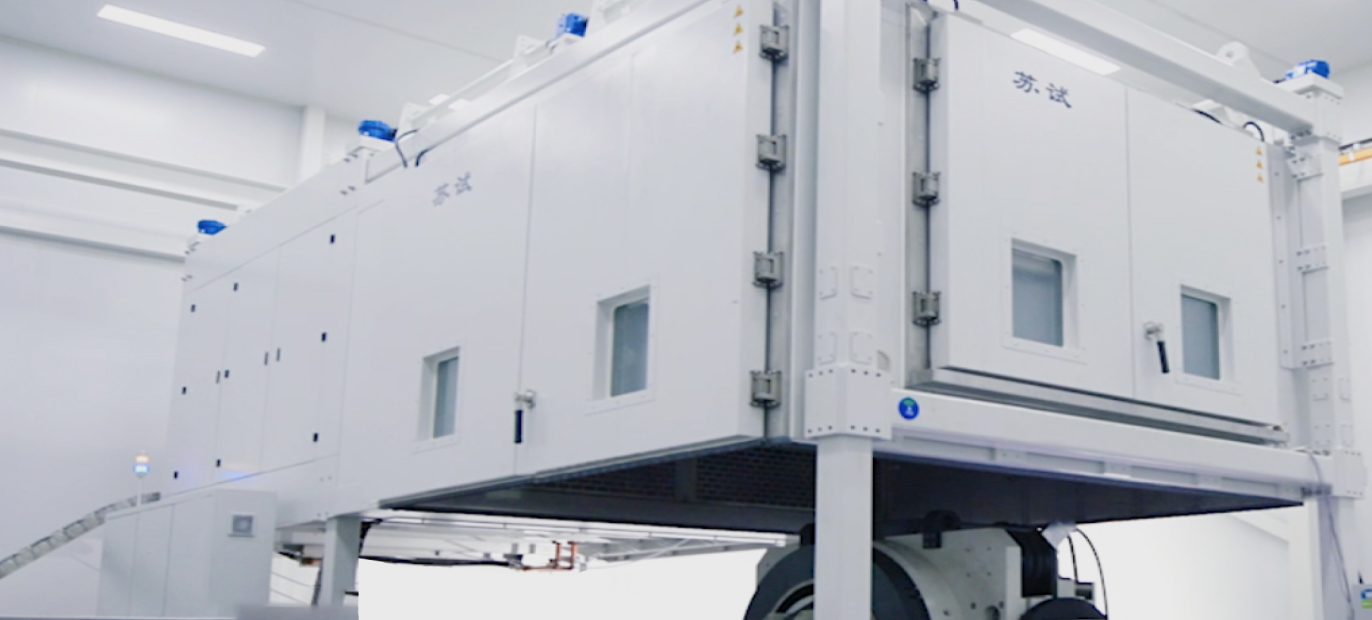
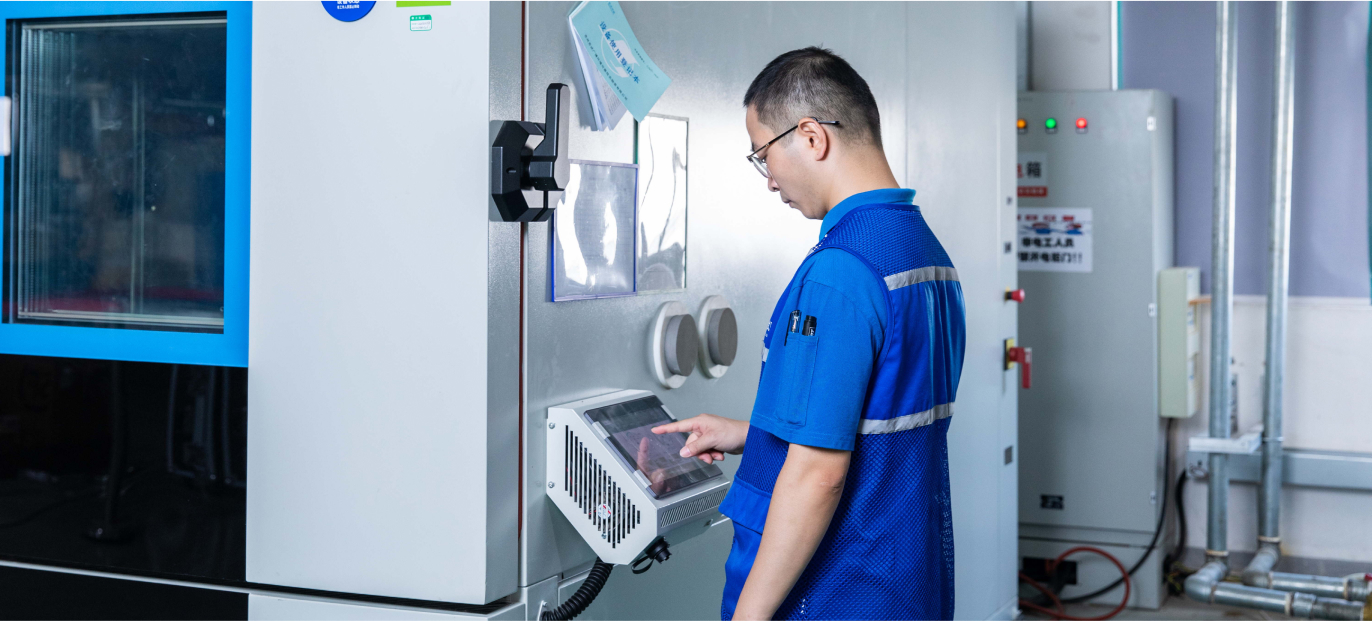
The laboratory is equipped with an oxygen-nitrogen-hydrogen analyzer, carbon-sulfur analyzer, atomic absorption spectrometer, spark direct-reading spectrometer, Rockwell hardness tester, Vickers hardness tester, density meter, thermogravimetric-differential thermal analyzer, dilatometer, laser flash thermal conductivity apparatus, salt spray corrosion test chamber, electrochemical workstation, etc., providing analysis capabilities for composition, structure, and physicochemical properties.
VDA 270, ISO 12219.2, ISO 16000.3, ISO 16000.6, etc.