




















Metal Material Analysis and Testing
Metal material analysis and testing are key links in material science and engineering. Material analysis research helps to understand the performance causes of metal materials and summarize laws through various material analyses. Since metal materials can be widely used in various industries, the social demand for them is also growing. With continuous innovation and improvement, some new composite metal materials have emerged. Analyzing their composition can provide a more comprehensive understanding of their characteristics and also lay the foundation for developing newer materials in the future.

Composition analysis (major and minor element analysis, etc.), structural analysis (crystal structure, microstructure, etc.), physical properties (density, specific heat capacity, thermal expansion coefficient, electrical conductivity, thermal conductivity, hardness, etc.), chemical properties (salt spray, electrochemical, etc.), and mechanical properties.
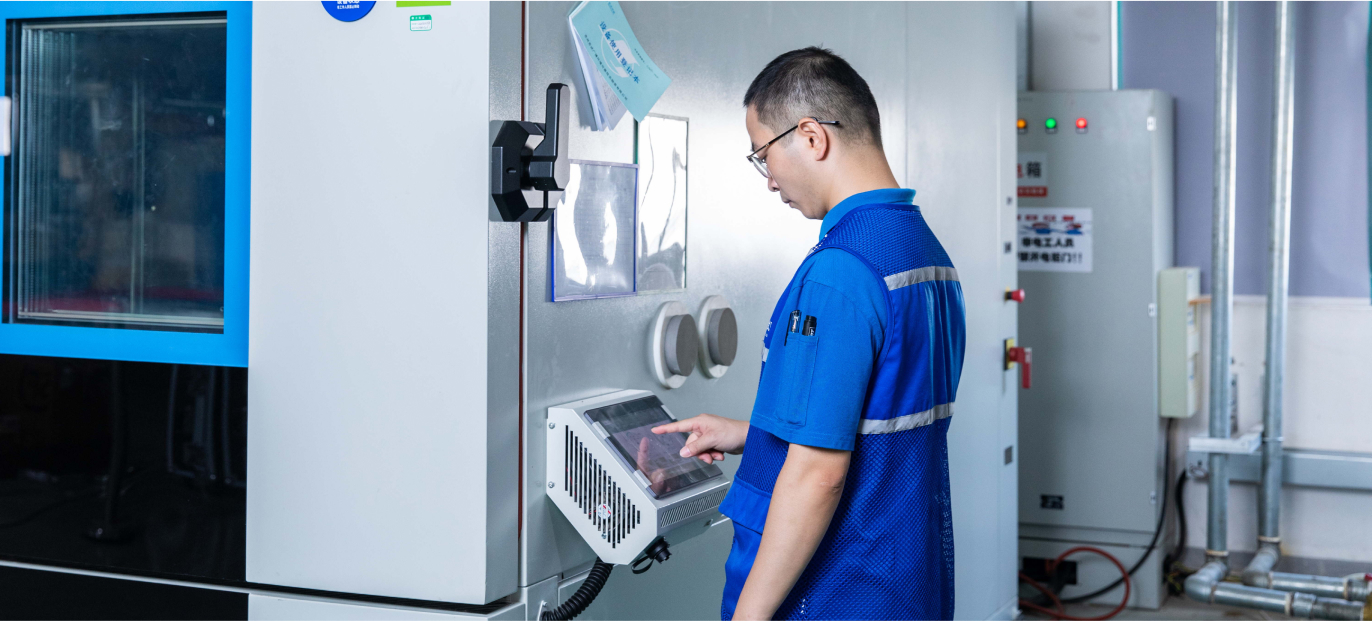
The laboratory is equipped with an oxygen-nitrogen-hydrogen analyzer, carbon-sulfur analyzer, atomic absorption spectrometer, spark direct-reading spectrometer, Rockwell hardness tester, Vickers hardness tester, density meter, thermogravimetric-differential thermal analyzer, dilatometer, laser flash thermal conductivity apparatus, salt spray corrosion test chamber, electrochemical workstation, etc., providing analysis capabilities for composition, structure, and physicochemical properties.
ASTM E1461, ASTM B117, ASTM G85, etc.